

Our Impact
Impact Measured in Lives, Relationships, and Time
ABLE's impact is not defined only by how many people we serve. It is defined by how deeply we serve them, by the quality of care they receive, the relationships that surround them, and our ability to remain responsive as their needs change.
More Than Forty Years of Care
41
9
38
Zero
2
Years of providing residential care in Marin County
Residents supported in a small, highly relational home
Years of service by ABLE's longest-tenured team member
Deficiencies in our November 2025 CDPH Focused Fundamental Recertification Survey
Founding family residents still part of the ABLE community more than four decades after opening
Focused Fundamental Recertification Survey conducted by the California Department of Public Health, November 2025.

Continuity Is a Form of Care
When someone has limited verbal communication, the people who know them best often recognize the earliest signs that something has changed.
They know a resident's routines, expressions, gestures, preferences, fears, and ways of communicating. They notice when someone seems quieter than usual, when a familiar behavior changes, or when something simply isn't right.
That knowledge cannot be fully captured in a medical chart.
It develops through relationship.
At ABLE, continuity helps our team recognize subtle changes, communicate effectively with healthcare providers, reduce distress during illness or transition, and advocate for residents who may not be able to fully explain what they are experiencing.
Growing With Changing Needs
ABLE's residents range from their early fifties into their eighties.
As people grow older, their needs may change. Mobility can decline. Communication can become more difficult. Medical conditions can become more complex. Personal-care needs can increase.
For adults with intellectual and developmental disabilities, those changes can sometimes mean leaving a familiar home and starting over somewhere new.
At ABLE, we work toward another possibility: strengthening the care around the person.
That may include closer medical coordination, additional staff training, adaptive equipment, occupational-therapy collaboration, increased personal support, nursing oversight, or hospice partnership when appropriate.
Our goal is not simply to add services.
It is to preserve relationship, familiarity, dignity, and belonging as needs change.

When Relationship Changes the Outcome
In 2025, ABLE resident Beth Hunstock returned home after hospitalization and began receiving hospice support.
The people who knew her best recognized something the broader system had missed: her capacity for connection, comfort, enjoyment, and improvement.
ABLE Executive Director Sam Yates later described the experience in the Marin Independent Journal:
"What made the difference? Trust, familiarity, continuity and caregivers who understand subtle cues and respond with personal care. It isn't glamorous. It's steady, patient and relational—and it works."
Beth's story illustrates why stable, relationship-based community care matters, especially when a person cannot easily communicate pain, fear, or what they need.


Quality Care Built on Commitment

In November 2025, ABLE completed a Focused Fundamental Recertification Survey conducted by the California Department of Public Health with zero deficiencies—the first deficiency-free recertification survey in ABLE's history.
That achievement reflects systems, training, preparation, accountability, and the daily disciplines that protect residents' health, dignity, and safety.
But behind those systems are people who have made an extraordinary commitment to this community.
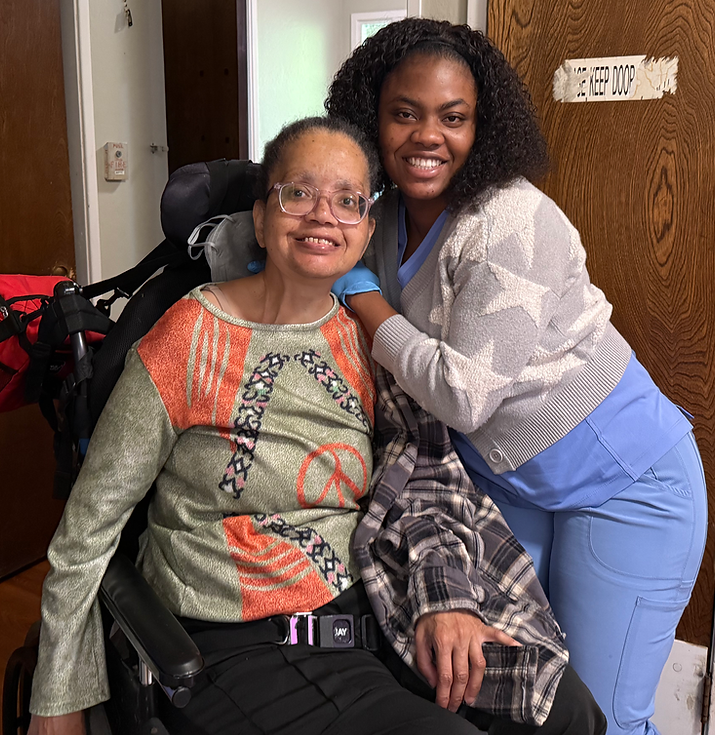
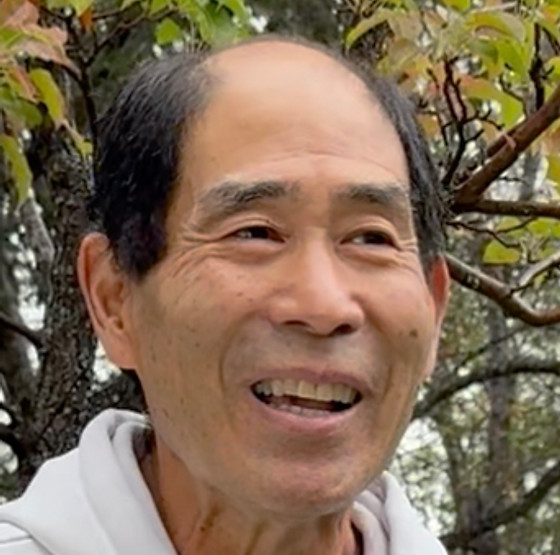
Clockwise from top left: Joi Graham, Danny McLane,
Alice Wolfgramm, Dave Kato.
Dave Kato
serving since 1988
In a field often marked by turnover, longstanding relationships offer residents something that cannot be recreated quickly: accumulated knowledge, familiarity, stability, and trust.
Danny McLane
serving since 2013
Alice Wolfgramm
serving since 2015
Joi Graham
serving since 2016

Impact Lives in the Everyday
ABLE's founders wrote that the health, welfare, dignity, and happiness of each resident should remain the organization's guiding concern.
Today, that impact can be seen in moments both large and small:
A family knowing someone they love is understood.
A caregiver noticing that something has changed.
A resident returning home from the hospital.
A community outing.
A familiar voice.
A shared meal.
A relationship that endures.